A Guide to Sister FabricsTexture, Material and the Made Home
Textiles are among the most expressive elements in an interior. They soften space, introduce rhythm, and bring tactile warmth where structure and hard surfaces cannot. At Sister by Studio Ashby, fabrics are approached as foundational — not simply coverings, but materials that shape the way a room feels, looks, and lives.
This guide explores how different fabrics function, how to think about their placement around the home, and why working with samples is one of the most valuable steps in designing with textiles.
Understanding Fabric Types
Wool
Wool remains one of the most versatile and enduring textiles in the home. Naturally resilient and richly tactile, it carries colour beautifully and wears well over time. Hand-woven wool brings subtle variation and depth, lending warmth to both contemporary and classic interiors.
Best for: Upholstery, rugs, cushions
Why it works: Durable, insulating, richly textured

Mohair
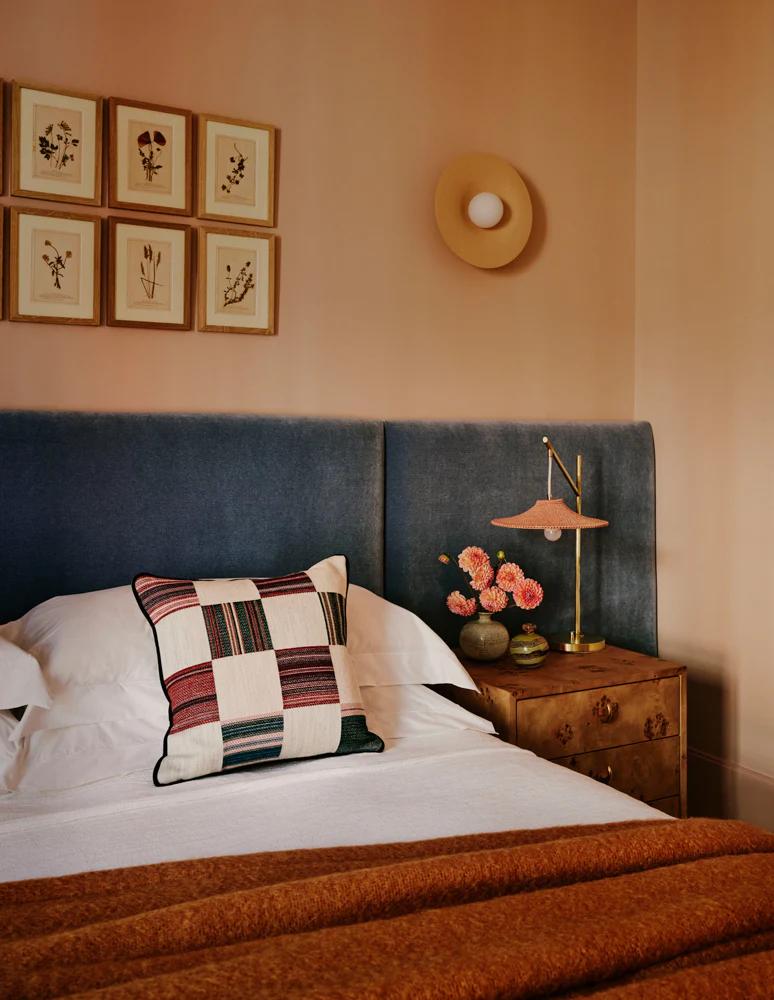
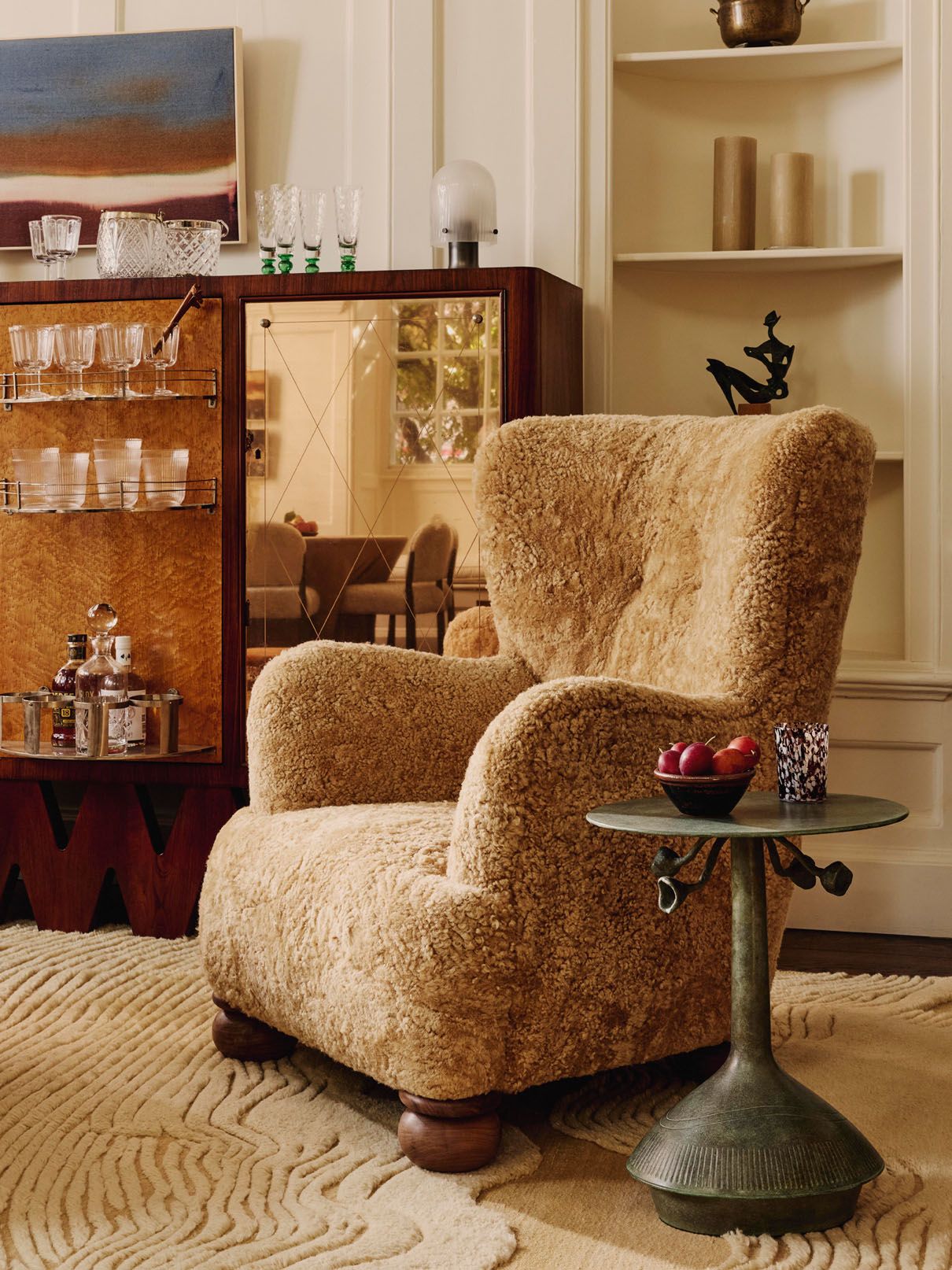
Mohair introduces a softer kind of drama. Woven from the hair of the Angora goat, it has a gentle lustre and a fluid drape that catches the light beautifully. Despite its luxurious feel, mohair is surprisingly hard-wearing, making it well suited to statement upholstery that still needs to be lived with.
Best for: Armchairs, accent pieces, cushions
Why it works: Luminous, tactile, and quietly expressive
Linen
Linen brings an effortless ease to interiors. Its relaxed weave and natural slub give it a softness that feels considered rather than polished. Over time, linen only improves, developing a gentle patina that reflects how a space is used.
Best for: Drapery, slipcovers, relaxed upholstery, cushions
Why it works: Breathable, light-reflecting, beautifully lived-in
Cotton
Cotton’s strength lies in its adaptability. From crisp, structured weaves to softer, brushed finishes, it works across many applications. It’s a dependable base fabric that pairs well with stronger textures elsewhere in a scheme.
Best for: Cushions, throws, light upholstery
Why it works: Versatile, familiar, adaptable in weight and weave

Velvet & Plush Textiles
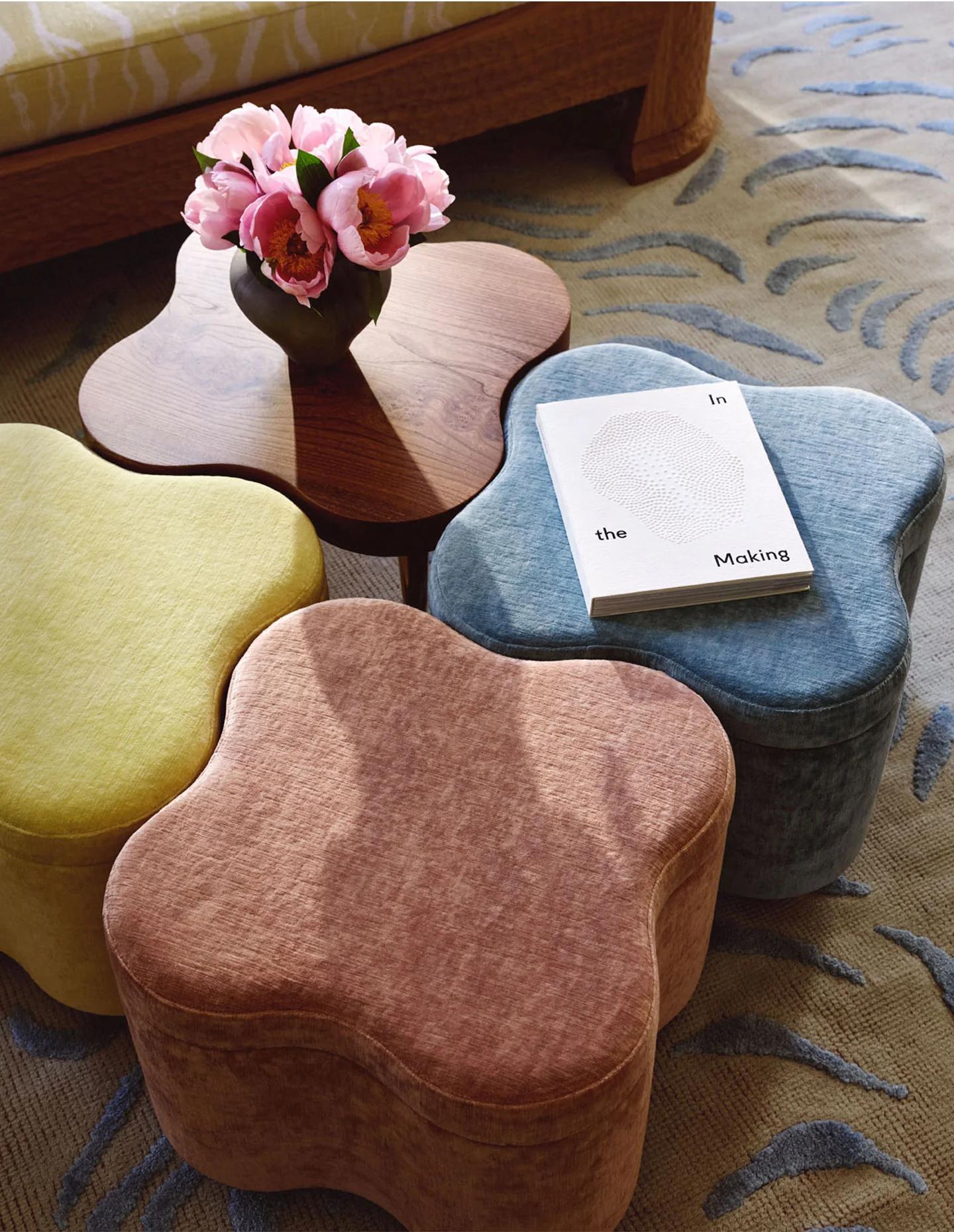
Plush fabrics add intimacy and depth. Their rich pile absorbs light, creating mood and softness within a room. Used sparingly, they introduce a sense of quiet luxury — particularly effective in spaces designed for rest and retreat.
Best for: Accent upholstery, reading chairs
Why it works: Depth, warmth, tactile richness
Sheers
Sheer fabrics play a very different role — less about weight, more about atmosphere. They soften daylight without obscuring it, creating privacy while maintaining a sense of openness. In urban interiors especially, sheers help mediate between inside and out.
Best for: Window treatments, layered curtains
Why it works: Filters light, adds softness, enhances spatial calm
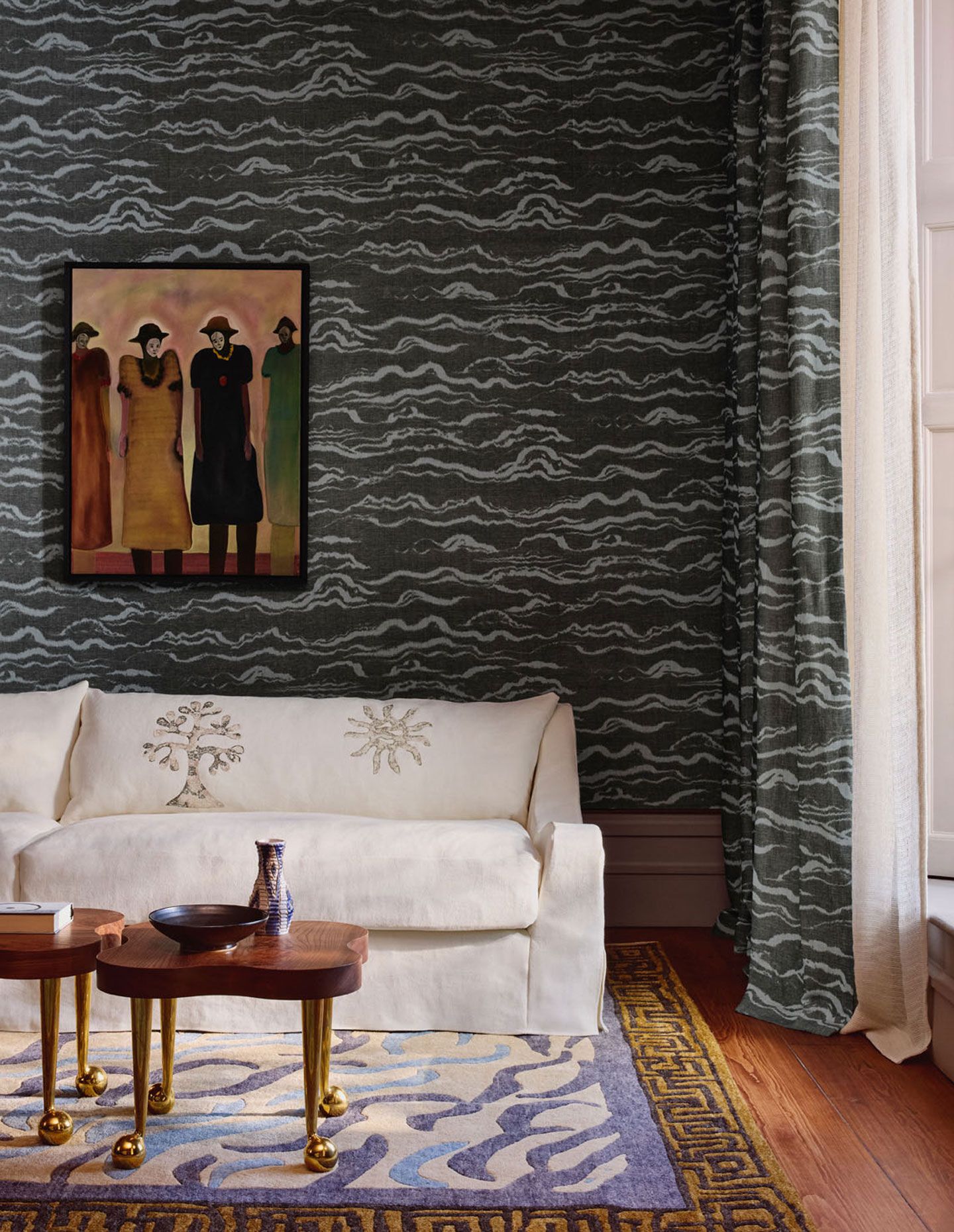
Fabric in the Home: Applications and Atmosphere
Upholstery
Choosing upholstery is about more than durability; it’s also about how you interact with the furniture. Softer, tactile weaves invite touch and linger visually under light. Heavier, structured textiles provide definition and formality.
Sofas and armchairs benefit from wool or wool blends for long-lasting comfort. Velvet works well in intimate seating where a touch of luxury adds comfort. Linen upholstery suits light, breezy rooms or casual settings.
Rugs
Rugs form the undercurrent of a room: the first thing you feel when you step in. A hand-knotted wool rug ties together furniture, light, and movement. Patterned or textured weaves can define zones in open layouts, while plains can unify a space.
Cushions and Throws
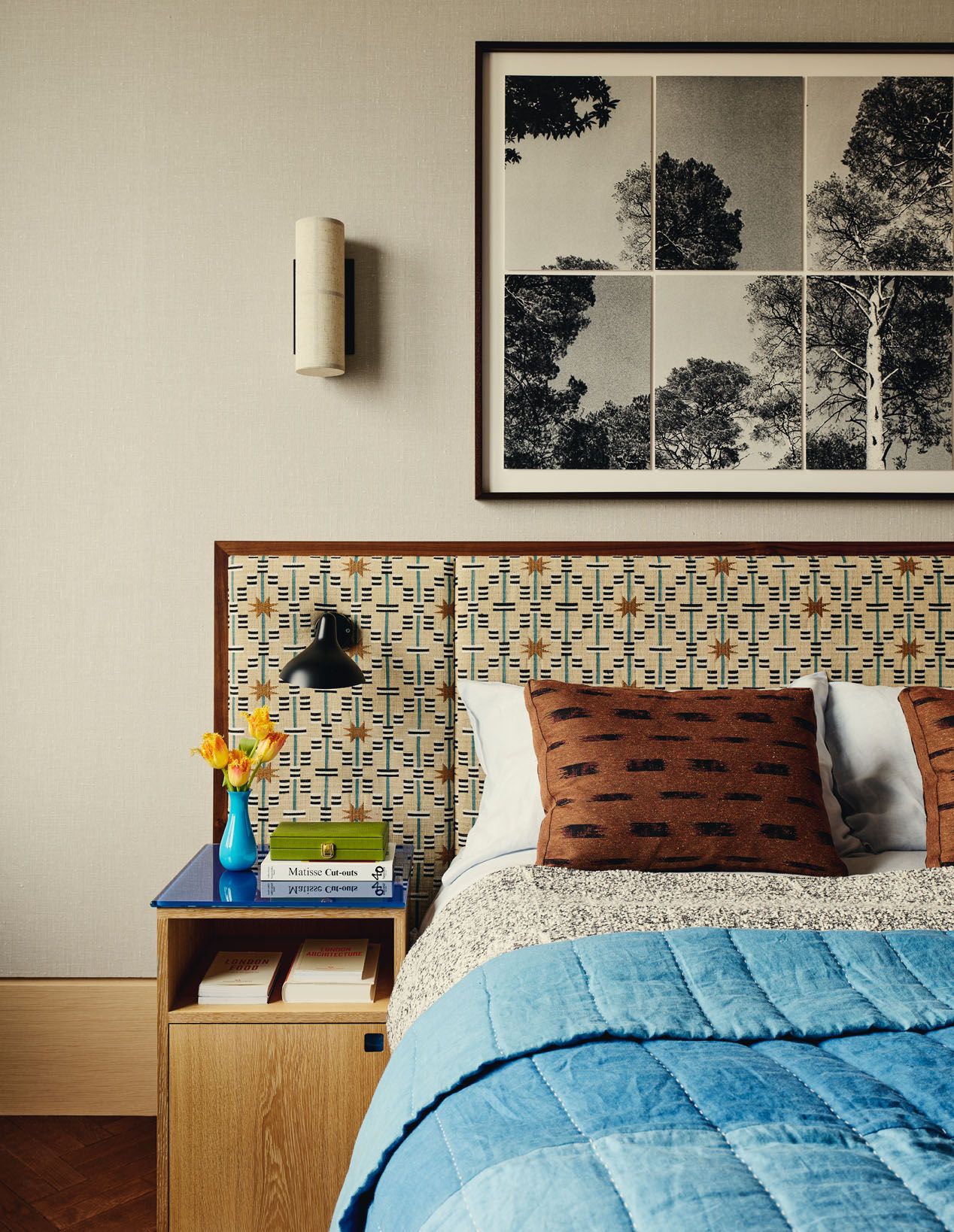
Cushions and throws are the finishing chords of an interior. They introduce colour shifts, seasonal changes, and textural interplay. Mix plains with pattern — and combine smooth and nubbly textures — to create depth without visual noise.
Drapery
Drapery frames a room. The weight and weave affect how light is filtered and how the space feels throughout the day. Linen opens up a room to soft daylight; a heavier blend can hold warmth and presence.

Why Samples Matter
Softwares and swatches on screen only tell part of the story. Fabric responds to light, scale, and context — all things unique to your home. Ordering physical samples allows you to:
- See how colour shifts with natural light
- Feel the texture and weight under your hand
- Test fabric with your existing furniture, rugs, and finishes
- Understand how a weave plays with scale in a room
Working with samples is not just practical — it’s a way of feeling into the space you’re shaping.
At Sister, we encourage you to gather swatches early in your process. Hold them beside furniture, under daylight, and next to other materials to see how they converse with a space.
Bringing It All Together
Fabrics are more than surfaces. They are quiet anchors, connectors of light and material, and carriers of memory and mood. A room shaped with intention around texture, weave, and colour feels alive — not simply decorated. Whether you’re choosing upholstery for a new sofa, a rug for a living room, or layered textiles to unite a scheme, consider fabric the foundation on which everything else rests.


Sister in the Wild
Some of the most compelling fabric stories emerge once pieces are lived with. Seen in homes, fabrics soften, crease, and respond to light and movement — becoming part of daily life rather than a static surface.
From mohair armchairs nestled into reading corners to linen drapery filtering city light, Sister fabrics are designed to settle naturally into their surroundings. These real interiors reveal how texture, tone, and material age with use, and how fabrics quietly shape the atmosphere of a home over time.