Introducing Danny Cremers
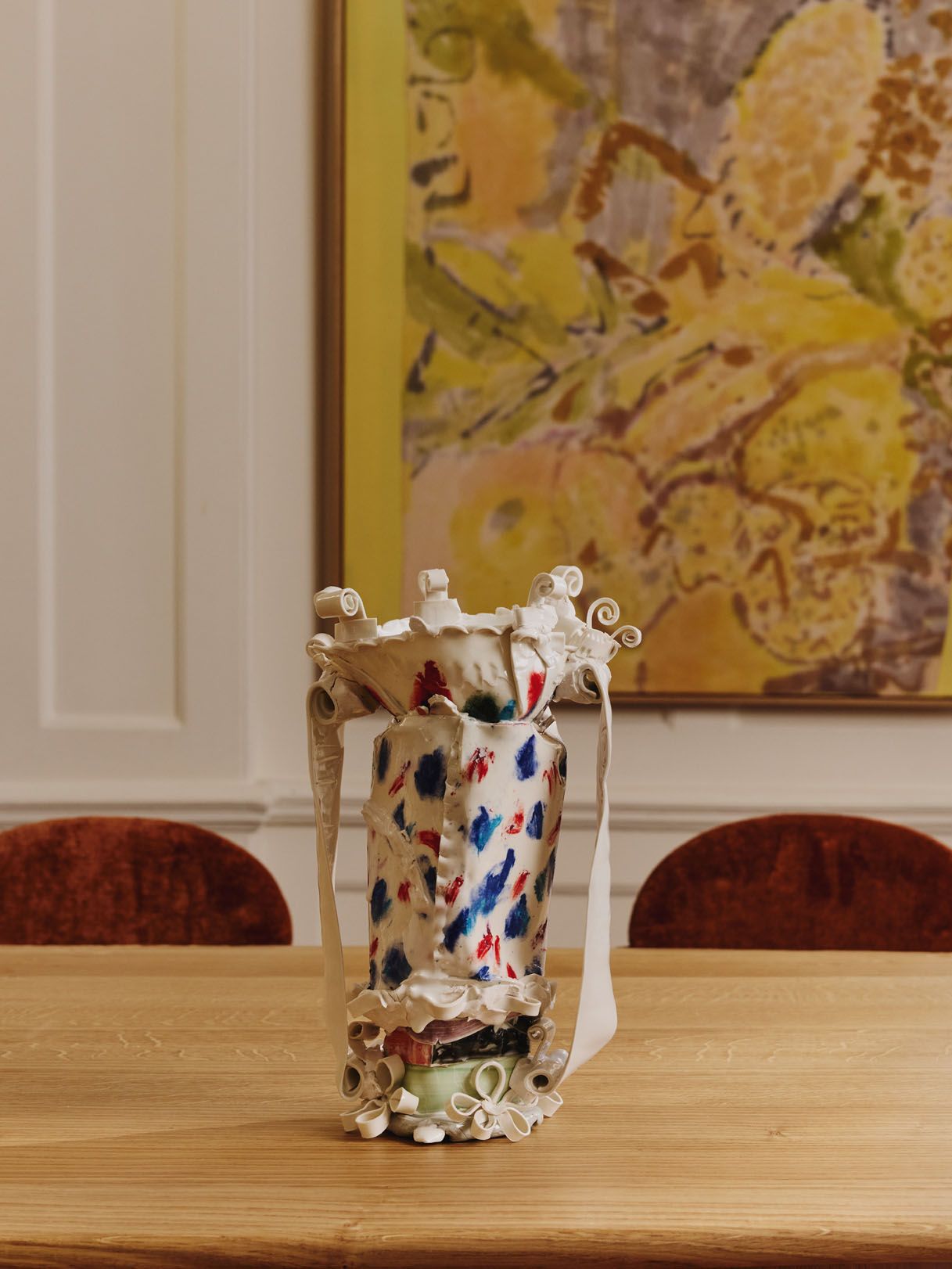
Sister by Studio Ashby is pleased to introduce a new collection of hand-built vases by Danny Cremers.
Based in Amsterdam and trained in fashion design at Central Saint Martins, Cremers approaches making as a form of three-dimensional sketching. Working without a fixed plan, each piece develops intuitively - built, interrupted, reassembled - allowing form to emerge through process rather than prescription.
Visible joins, shifts in volume, and layered surfaces are intentionally preserved, keeping the hand of the maker present. Colour plays a quiet but structural role, supporting the form while introducing subtle tension and imbalance.
Revisiting classical vessel typologies without aiming for perfect resolution, the vases sit comfortably between familiarity and uncertainty - composed yet gently unsettled, shaped by the productive balance of control and chance.

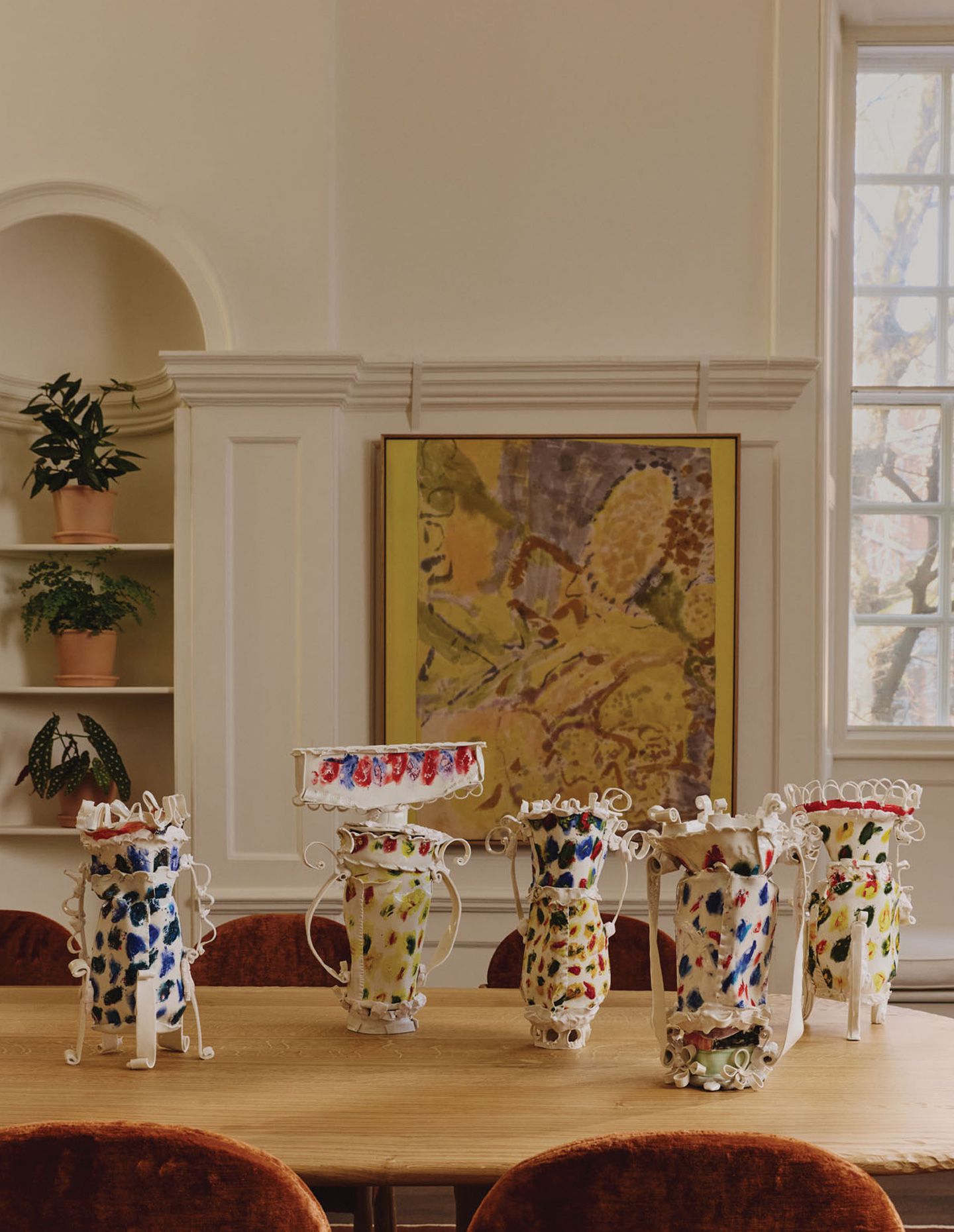
Your vases sit somewhere between object and sculpture. How do you think about that balance when you’re making and does it matter where they ultimately live?
I don’t consciously try to position the work as either an object or sculpture while making.
I’m mostly just trying to build something that feels convincing to me, something that holds its own through its presence, weight, and internal logic. The vase gives me a familiar starting point, but I’m interested in the moments where that familiarity begins to shift or loosen.
It doesn’t matter so much to me how the piece is ultimately categorised, I like that it can hold both possibilities, it can sit naturally in a domestic space while still existing as something self-contained.
You describe your process as ‘three-dimensional sketching’. What does working in this open, intuitive way allow you to discover?
Working this way allows me to stay close to the material and respond to what’s happening in front of me. Rather than working towards a fixed outcome, I build step by step and adjust along the way. Each decision slightly changes what the piece can become.
Often the most interesting moments come from something small. A shift in proportion, or an addition that changes the balance in a way I didn’t expect. The final form feels discovered rather than planned, and still carries that sense of openness.

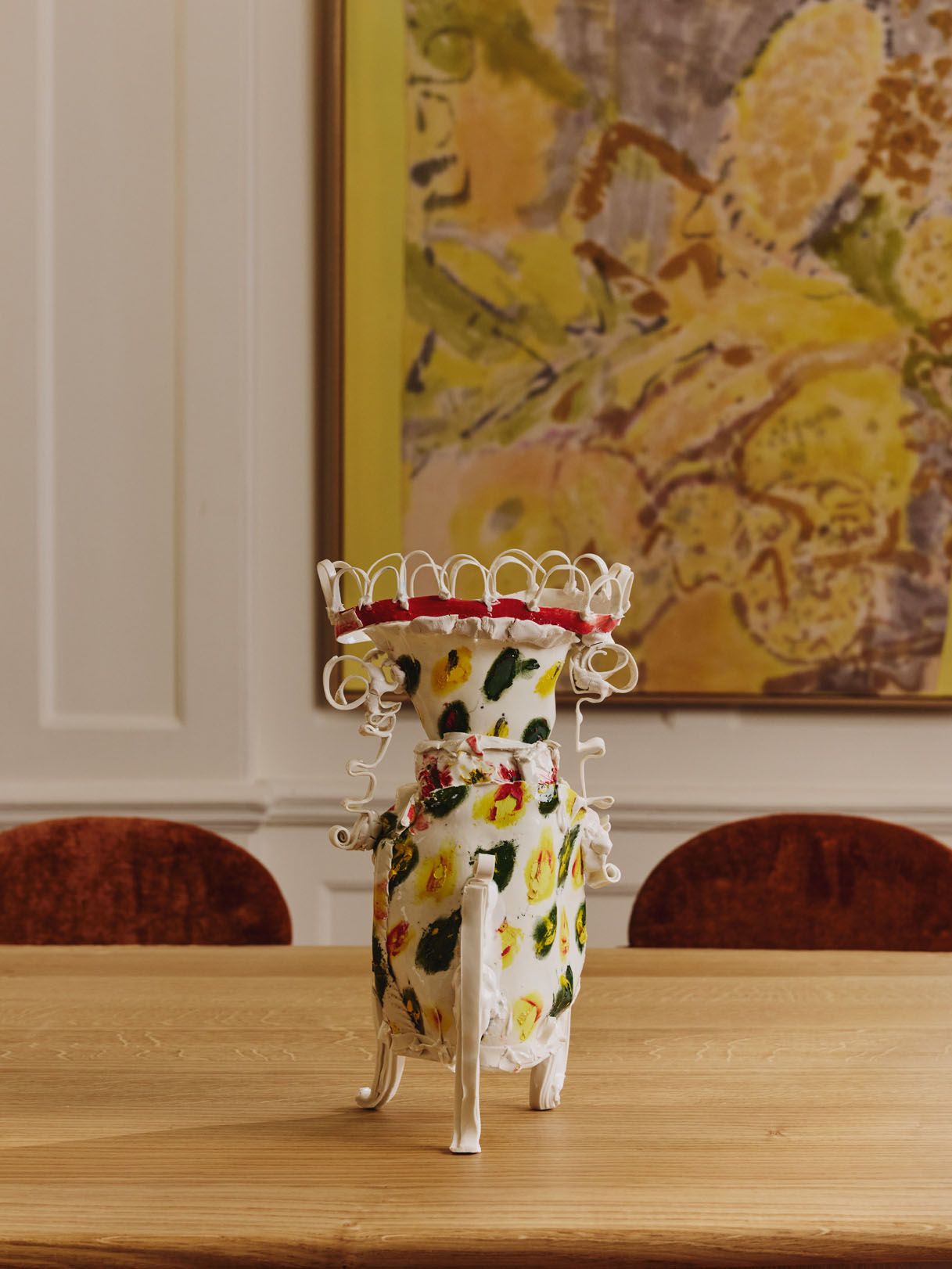
Visible joins, shifts in volume, and layered surfaces are intentionally left present in your work. What do these marks of making bring to the finished piece for you?
They allow the process to remain visible. You can see how the piece was built, where it was extended, or where something changed direction. I like that the form doesn’t try to hide its own construction.
These shifts also keep the piece slightly unsettled. They introduce small tensions and prevent it from becoming too resolved.That sense of instability gives the work energy, and makes it feel more alive to me.
When your vases move into a home, how do you hope people live with them, as functional objects, sculptural pieces, or something in between?
I like that people find their own way with them. Some use them with flowers, others leave them empty, and both feel completely right. The role can change depending on the space or the person living with it.
What matters most is that the piece becomes part of its surroundings over time. Not as something separate, but something that quietly integrates and continues to reveal itself gradually