Fabric as Foundation
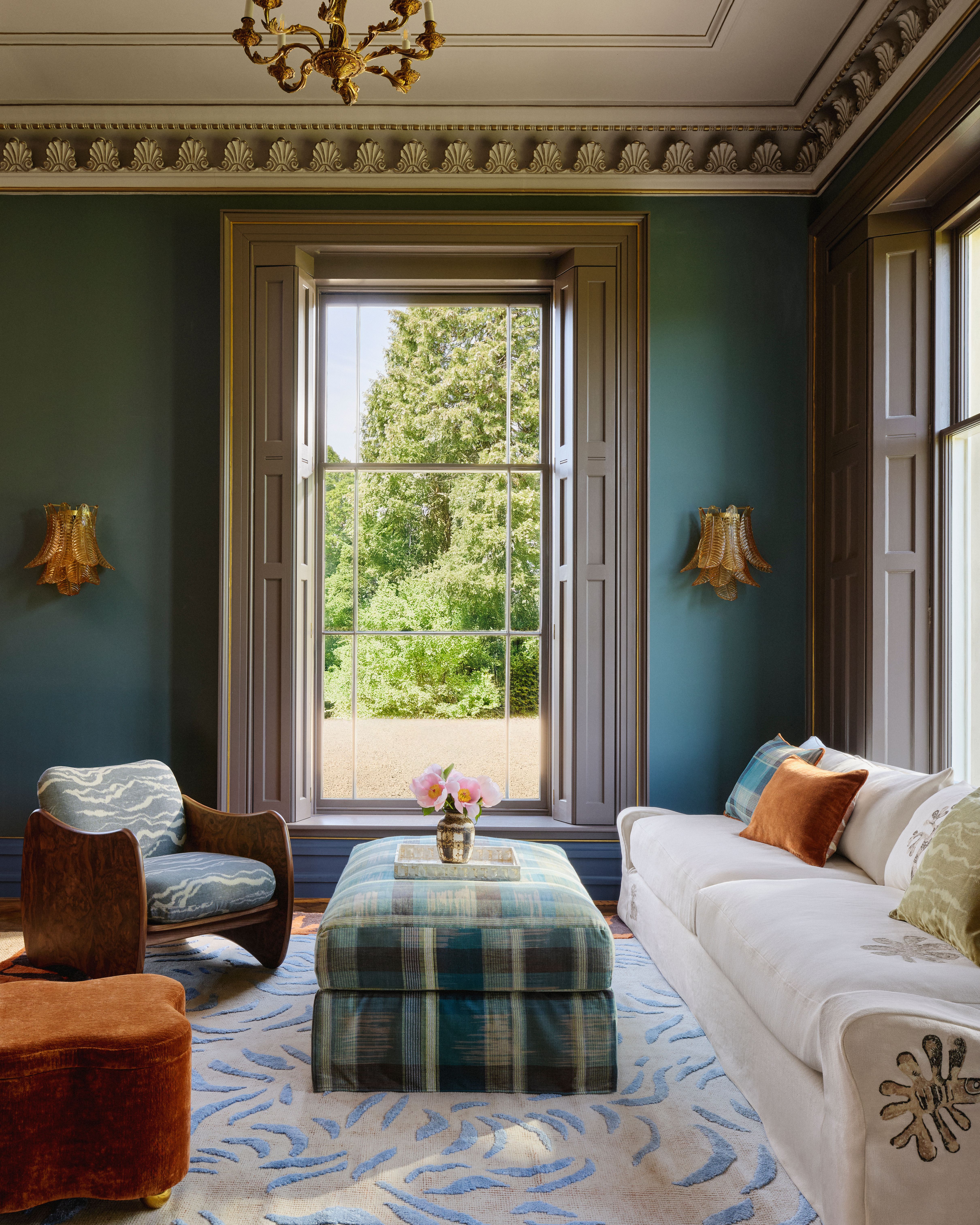
At Sister, textiles are never an afterthought. Fabric is foundation — the first brushstroke in a room, the element that sets tone, mood, and tactility. From the rich weight of a velvet armchair to the subtle weave of a linen curtain, textiles define how a space feels before a single piece of furniture is placed.
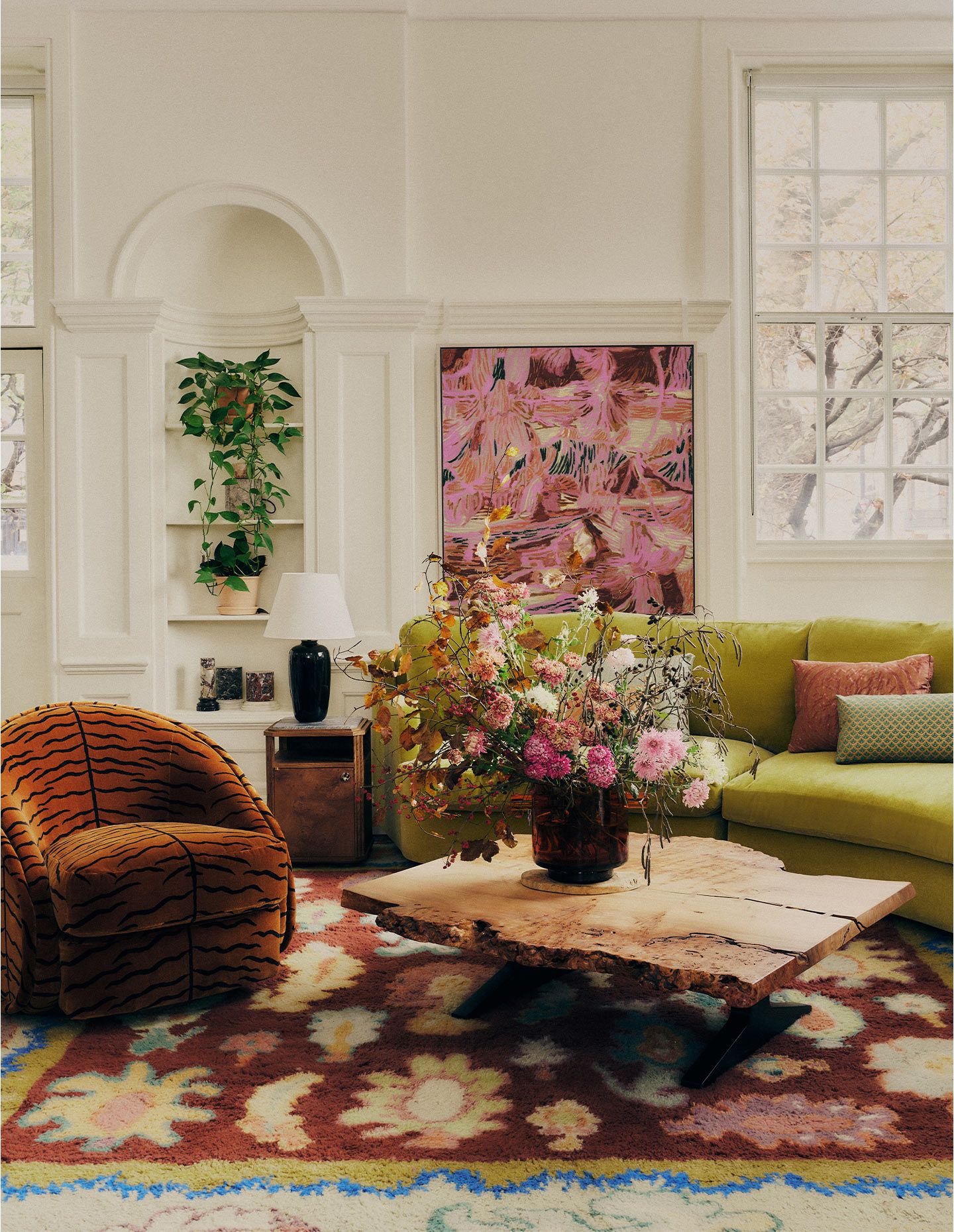
Texture is the language of fabric. A soft, handwoven wool invites touch and lingers under fingertips, while a smooth silk or linen reflects light, bringing air and movement into a room. Colour carries emotion — deep, saturated tones anchor a space, while pale or nuanced hues provide calm and breathing room. Layered together, textures and tones converse, creating rhythm, contrast, and depth that is felt as much as it is seen.
Sophie Ashby calls it material play. Marble is celebrated for its effortless movement and pattern, timber for its knots, burrs, and character. Furniture is intentionally quiet, so that it can sit alongside something louder, older, or brighter. Statement marble next to warm wood, acrylic next to furry mohair, or cold steel against sheepskin — it’s this balance, this unexpected playfulness with materials, that gives interiors their emotive quality. Textiles are a crucial part of this conversation, interacting with furniture, surfaces, and objects to shape the feel of a room.
Pattern and scale allow fabrics to tell stories in a space. A bold geometric rug gives a living area structure; a patterned upholstery fabric anchors a reading nook; layered throws introduce softness and intimacy. Colour transforms mood instantly — Sophie favours smokey blues, muted greens, earthy ochres, and terracotta, particularly in urban interiors where nature’s palette is limited.

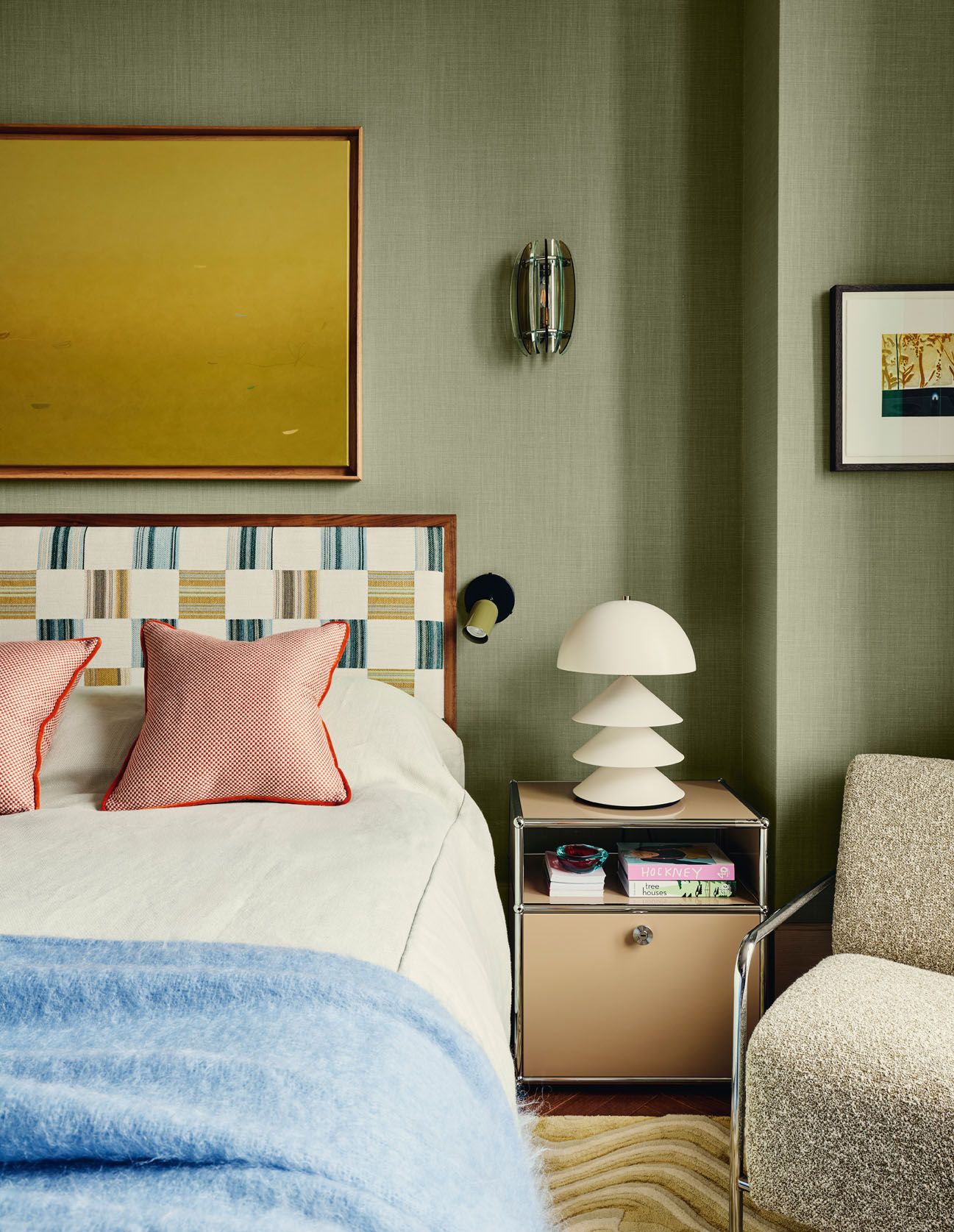
Beyond the immediate sensory pleasure of texture and colour, fabrics also shape how a space feels in time. A room with layered textiles — a softly draped curtain, a hand-woven rug underfoot, or a cluster of mixed cushions — invites a slower pace. The interplay of materials creates a rhythm that encourages movement, rest, and reflection. It’s no accident that we instinctively reach for fabric when we want a space to feel comforting or complete: cloth carries nuance in a way that hard surfaces alone cannot.
In practice, fabric choices are never isolated decisions. They are conversations with light, with architecture, and with the everyday rituals of living. Linen absorbs daylight differently than wool; a velvet’s pile shifts as you move; a patterned weave draws the eye in a way that anchors a corner without overwhelming it. These are the qualities that make textiles foundational rather than ornamental — not just finishing touches, but key contributors to the spatial experience.
At Sister, textiles are the first note in the composition of a room. They are considered, layered, and intentionally mixed with other materials to create interiors that feel eclectic, human, and lived-in. When fabric is treated as foundation, a space becomes more than a sum of parts — it acquires personality, rhythm, and quiet emotional resonance. Texture, colour, and tactility are the first to be experienced, shaping the way we inhabit and remember a home.