Verdigris: A Living SurfaceThe Art of Patina
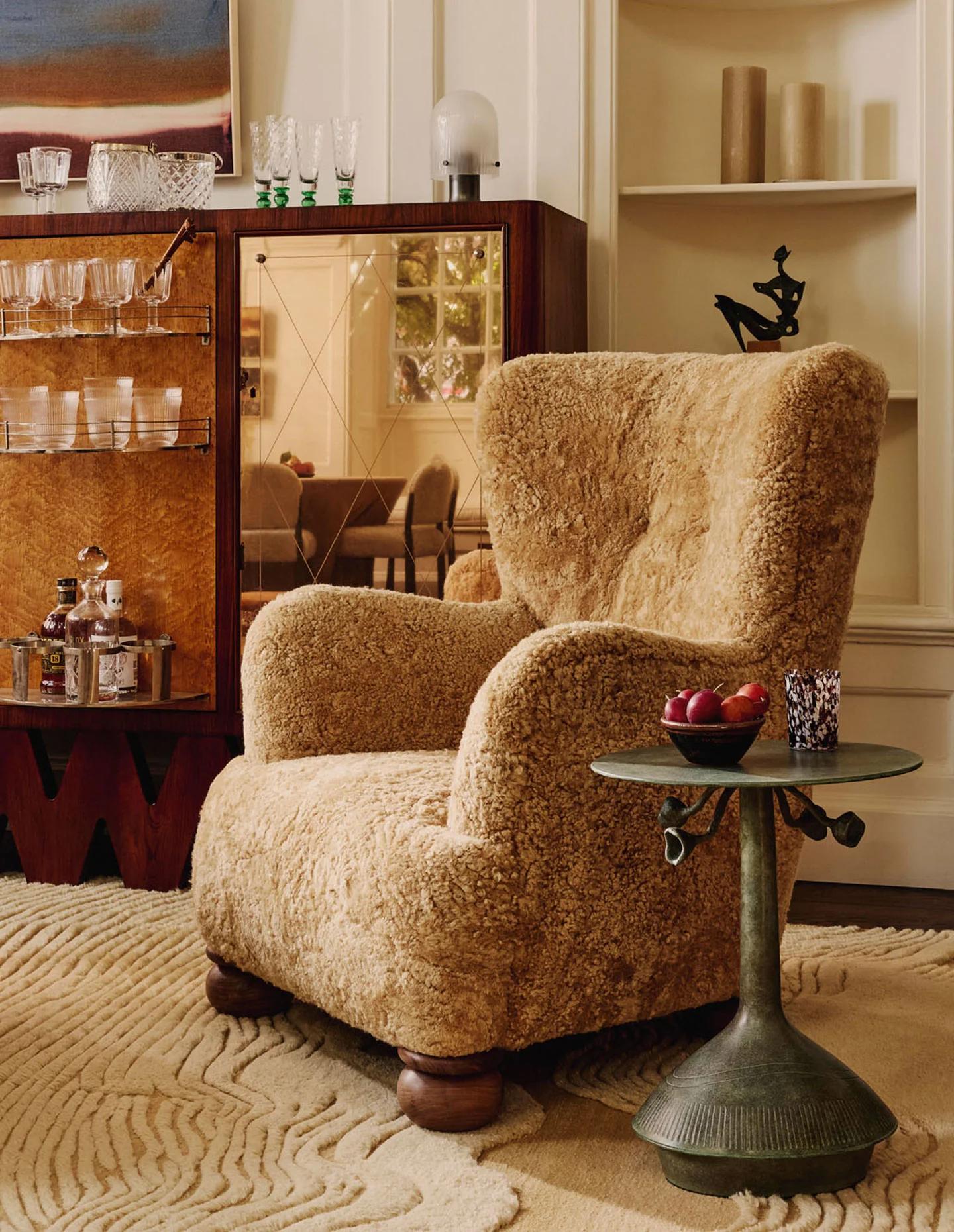
Verdigris has long been associated with time — with bronze sculpture weathered by air and touch, and architectural metalwork that has settled into its surroundings. At Sister, verdigris is not an afterthought or incidental effect. It is a deliberate surface treatment, applied by hand to bring depth, variation and material presence to cast metal.
On pieces such as the Sylva Hooks and the Grace Table, verdigris becomes more than colour. It is a way of giving metal a sense of history and movement.
What Verdigris Is
The verdigris finish begins with cast metal — hand-sculpted in wax, then cast in bronze or aluminium. Once formed, each piece undergoes a controlled patination process. Layered chemical applications and heat treatments create the distinctive blue-green oxidised tones associated with aged bronze.
This is not corrosion in the structural sense. It is a carefully induced patina, designed to produce depth and tonal variation across the surface. The result is organic and nuanced — never flat or uniform.
On interior pieces, the finish is stabilised and typically sealed with wax or lacquer, ensuring it is suitable for functional use while retaining its visual richness.

Verdigris on the Sylva Hooks
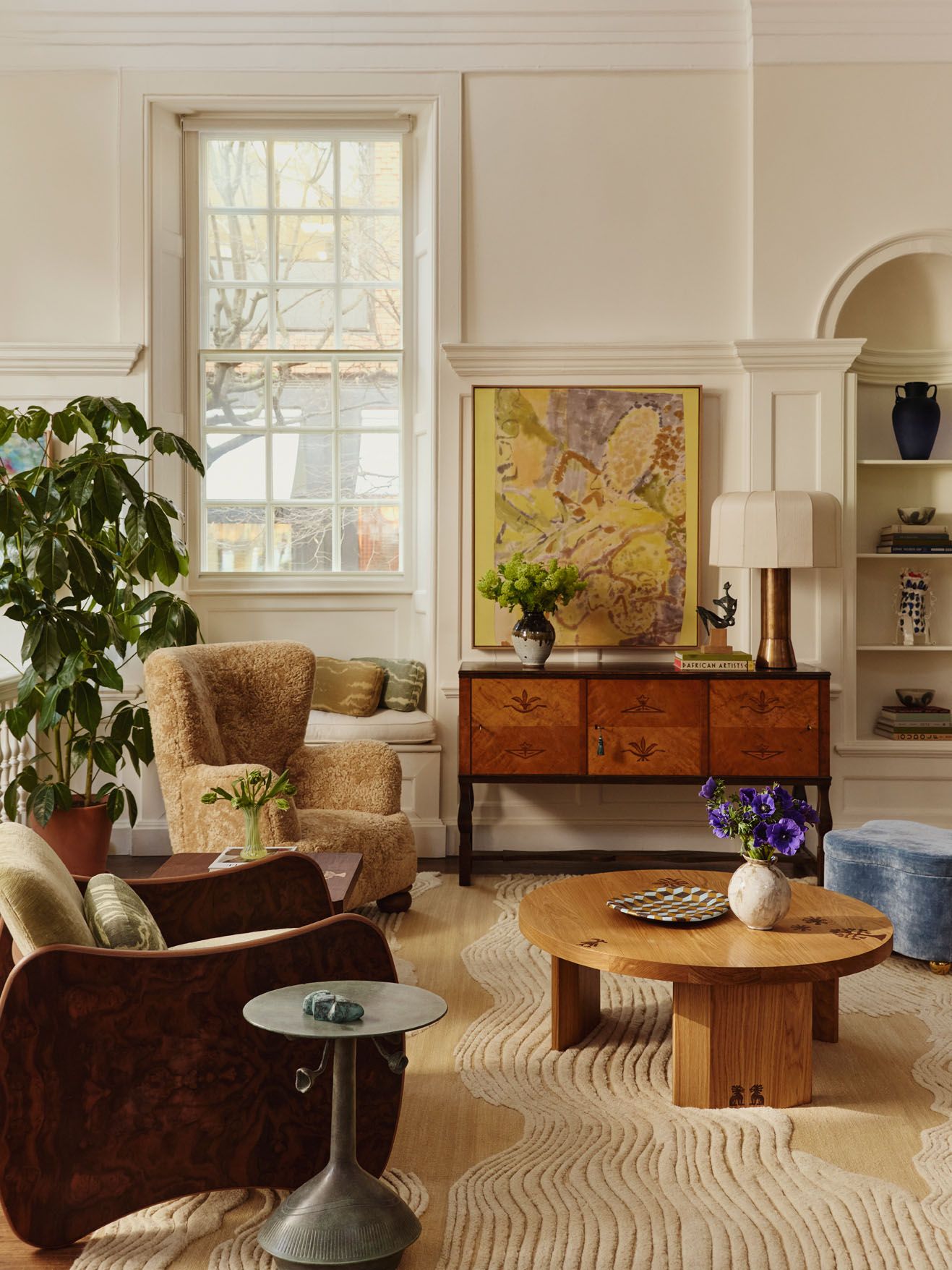
The Sylva Hooks begin as hand-sculpted forms in wax, shaped to echo abstracted botanical growth. They are then cast in metal — bronze or aluminium — before undergoing a controlled patination process.
Verdigris on the Sylva Hooks is not incidental oxidation. It is applied intentionally. Layered chemical mixes and heat treatments are used to build depth and variation across the surface, creating the distinctive blue-green tones associated with aged bronze. Each hook is then stabilised for interior use.
This careful process produces a surface that feels organic and weathered, while remaining entirely suitable for functional hardware. The verdigris highlights the modelling of the form, catching in recesses and across raised edges, reinforcing their sculptural quality. Each piece carries subtle tonal differences — an effect of the hand-applied patina — ensuring no two are identical.

Verdigris on the Grace Table
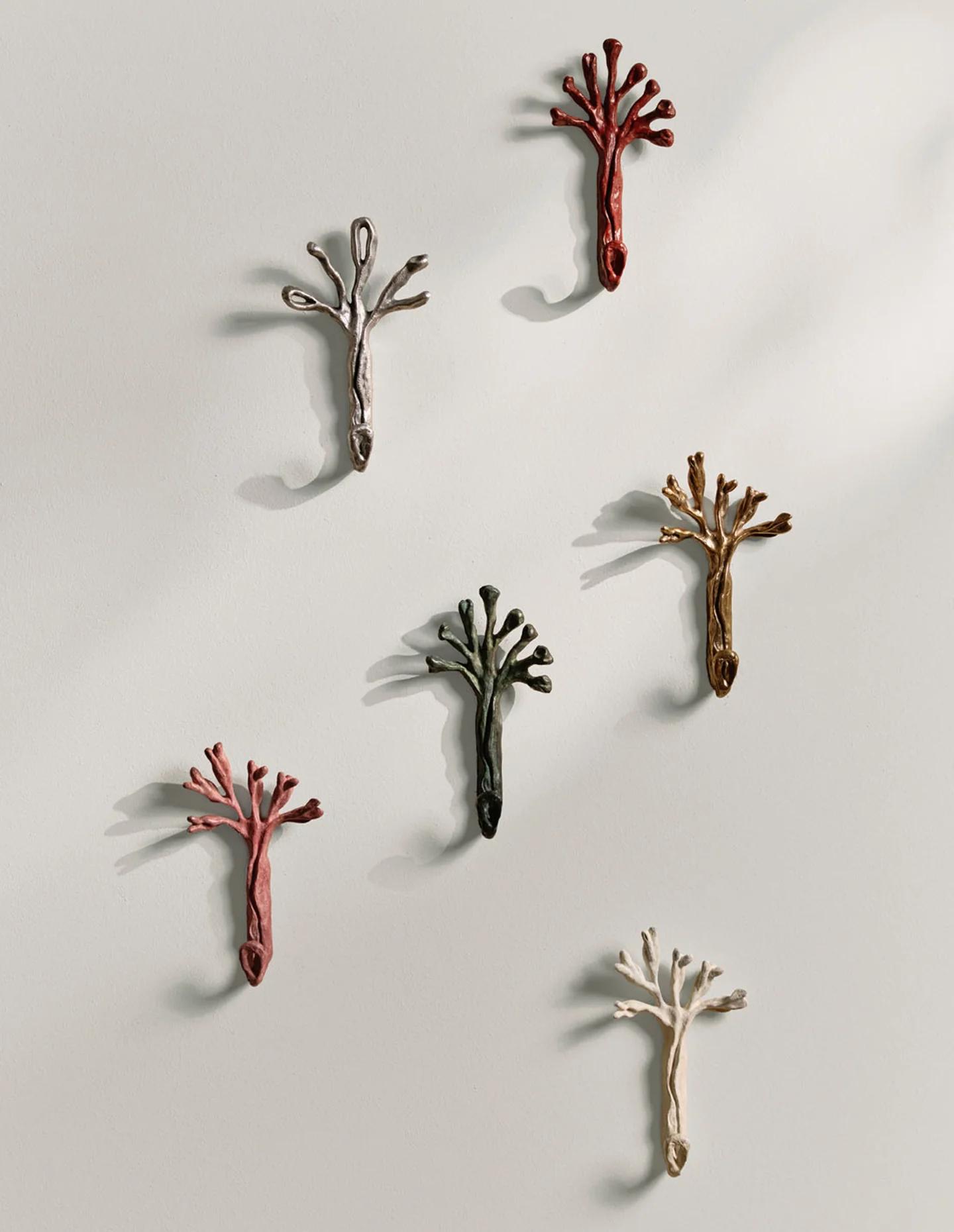
Like the Sylva Hooks, the Grace Table begins with a sculptural approach. The form is cast in metal following the original hand-sculpted model, then treated through the same layered patination process.
The verdigris finish is created deliberately through controlled chemical application and heat, building complex variations of green, blue and darker undertones. This is aesthetic patination rather than structural corrosion — a surface treatment designed to evoke age and material depth without compromising integrity.
Once achieved, the finish is stabilised, allowing the table to function confidently within an interior setting. The result is a surface that feels architectural and substantial, closer in spirit to bronze sculpture or historic metalwork than to conventional furniture.
Light interacts with the patina throughout the day, revealing subtle shifts in tone and texture. It gives the Grace Table presence — a sense of permanence and quiet strength — while retaining the individuality inherent in hand-applied finishes.

A Finish That Evolves
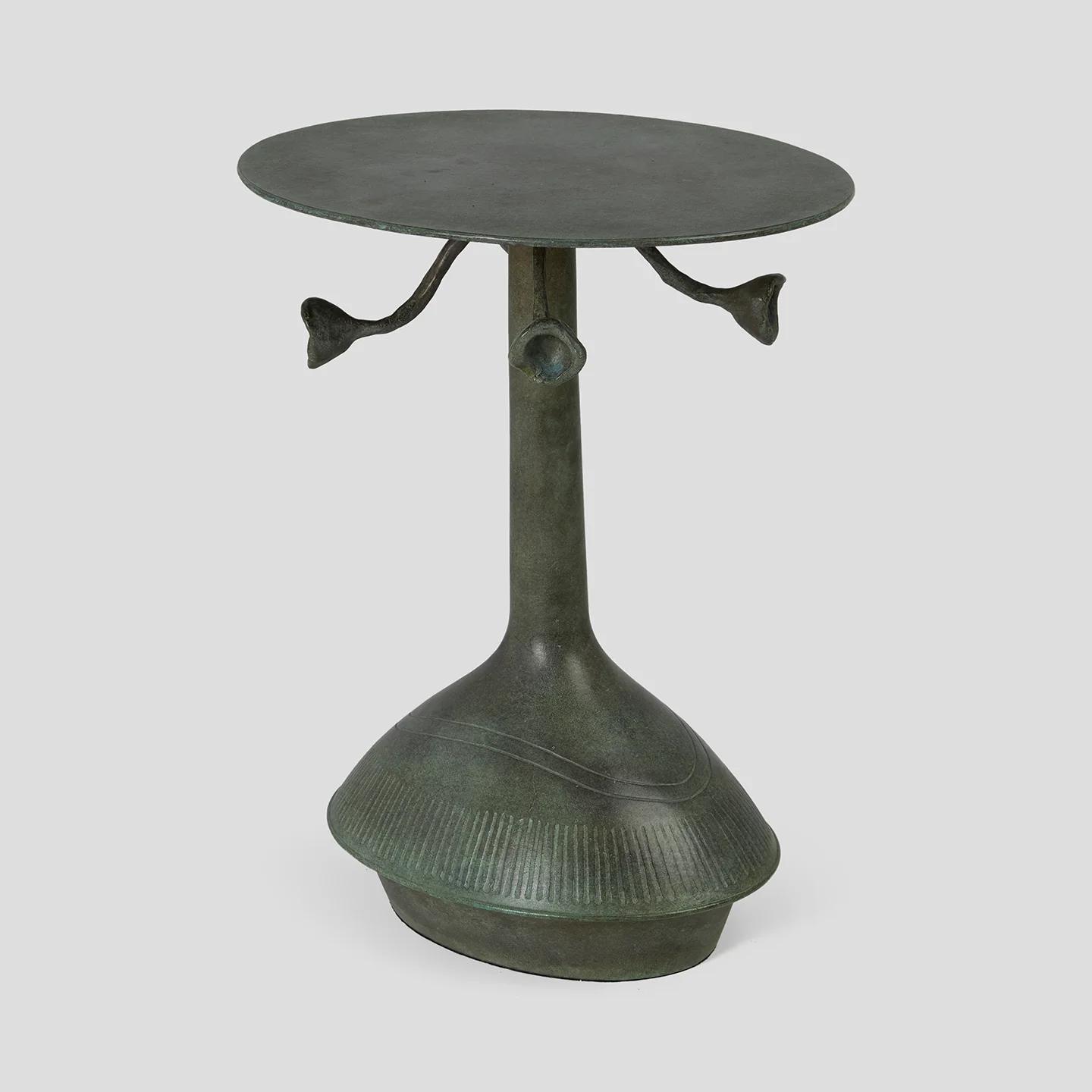
Verdigris is often described as a living patina. Even when sealed, subtle shifts may occur over time as the surface responds to its environment and use. This gradual change — known as patination — is a natural and desirable characteristic.
Each piece will age differently. These variations are not flaws, but part of the intended aesthetic. They speak to material authenticity and the passage of time.
Verdigris in the Interior
Verdigris works particularly well alongside natural materials — timber, stone, plaster, linen and leather — where its irregular surface introduces contrast without harshness. It adds depth without relying on pattern, and colour without relying on flat paint.
It sits between colour and material effect: at once green-blue in tone, oxidised in appearance, and sculptural in finish. It references time, process and permanence, while remaining entirely suited to contemporary interiors.
Care & Maintenance
Verdigris surfaces are stabilised for interior use, but they benefit from considered care.
- Dust regularly with a soft, dry cloth.
- Avoid abrasive cleaners or chemical sprays, as these may affect the sealed patina.
- Wipe gently with a lightly damp cloth if needed, drying immediately afterwards.
- Avoid prolonged contact with water or harsh substances.
Over time, subtle shifts in tone may occur. This is a natural characteristic of patinated metal and contributes to the individuality of the piece.
On the Sylva Hooks and the Grace Table, verdigris is not simply a finish. It is integral to the identity of the piece — a hand-applied surface that brings weight, texture and subtle evolution to cast metal.